


Everything you need to know about V&A East Museum
- Location: East Bank, 107 Carpenters Road, Queen Elizabeth Olympic Park, Stratford, E20 2AR
- Opening times: Daily, 10am to 6pm, with late openings until 10pm on Thursdays and Saturdays
- Admission: V&A East Museum is free to visit and you do not need to book in advance. Special exhibitions have a separate charge.
- Getting there: The closest station is Stratford (10-minute walk). Many buses including the 108, 241 and 339 stop nearby at Stratford Station and the surrounding area.
Rising above Stratford’s East Bank in Queen Elizabeth Olympic Park, the long anticipated V&A East Museum has opened its doors after ten years in the making. It joins the V&A Storehouse, which debuted last year, completing the two site project and establishing a major new cultural hub.
To mark the opening, we headed inside to explore the museum’s striking galleries shaped by east London’s heritage and to meet one of the curators bringing its stories to life.
What is the V&A East Museum?
V&A East Museum is east London’s new creative engine – a five-storey space where art, design, fashion, music and performance come together. At its heart are the Why We Make galleries, which reimagine the V&A’s global collection through today’s most urgent conversations: identity, representation, wellbeing, social justice and the climate. These sit alongside New Work commissions by contemporary artists and a changing exhibition programme.
Young people aren’t just visitors here – they’re co-creators. The museum was shaped with the V&A East Youth Collective, a group of east Londoners aged 16 to 24 who helped influence everything from gallery themes to shop products.
As Senior Curator at V&A East Zofia Trafas White puts it, the aim was simple: “find a new way into the V&A collection.” Think of it as a remix, familiar objects meeting fresh perspectives.
The building makes a statement before you even step inside. Designed by O’Donnell + Tuomey and inspired by an X-ray of a Balenciaga dress, the museum wraps around its inner core like sculptural tailoring. Inside, concrete, terrazzo and warm wood create a minimalist, tactile backdrop. Even the benches, crafted by east London maker Andu Masebo, echo the museum’s commitment to local creativity.
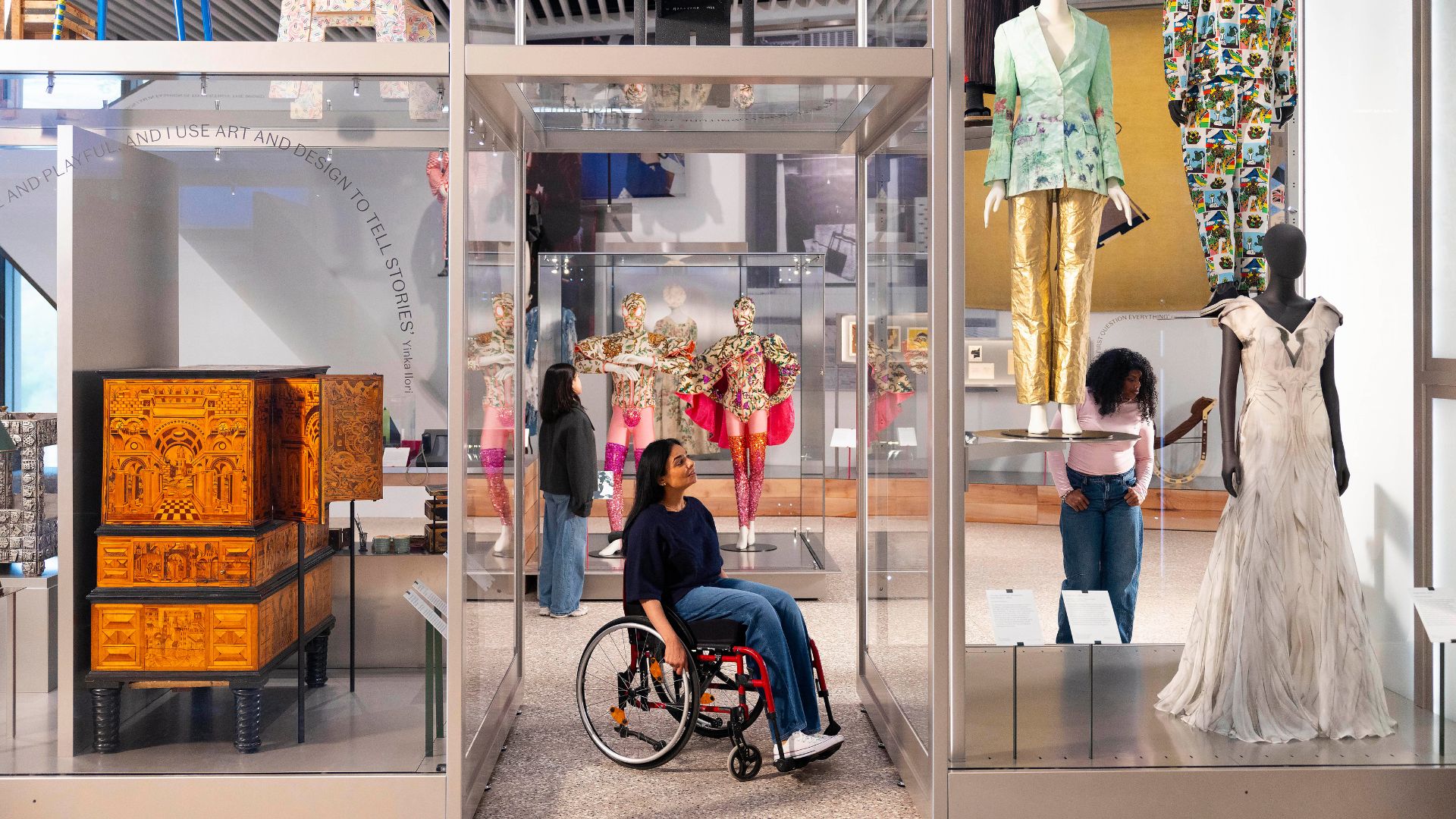
The galleries draw from the visual energy of east London high streets – bold colours, layered textures, the buzz of shopfronts and signage. Speaking to Zofia in a “shop window space”, she explains that “every inch of the building has special design features.”
What excites her most for visitors to experience? “Seeing the V&A collection in new and surprising ways, fiction side by side with photography, architecture next to contemporary themes. I hope people encounter things they find iconic, something intriguing that they’ve never seen before. I want them to feel surprised, inspired, and to have fun exploring.”
Why We Make galleries – where creativity and community meet
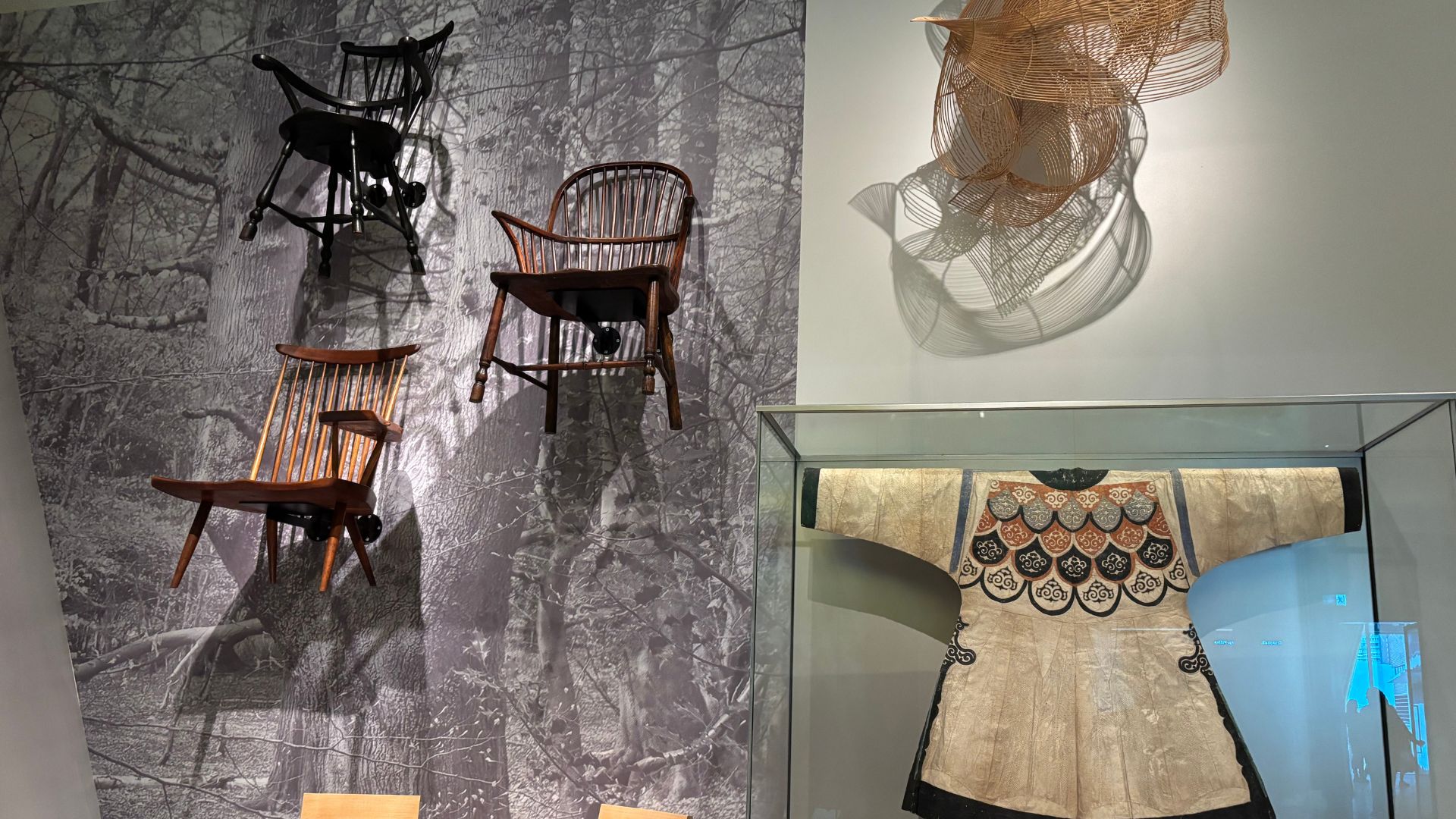
The Why We Make galleries are the heart of V&A East Museum – a free, permanent space that rethinks the V&A’s collection for today. Co-designed with the V&A East Youth Collective, the galleries span two floors and bring together more than 500 objects across art, design, architecture, performance and fashion, arranged around ten themes that speak to modern life, from identity to representation and social justice.
Your first encounter as you step inside is a striking hot-pink Molly Goddard Daria dress that’s impossible to miss. From there, the ground floor spotlights London makers including Alexander McQueen, Yinka Ilori and Bisila Noha, alongside gems such as a William Morris-patterned Walthamstow FC shirt, Leigh Bowery’s dazzling performance costumes and an 1830s sketch of Victoria Park.
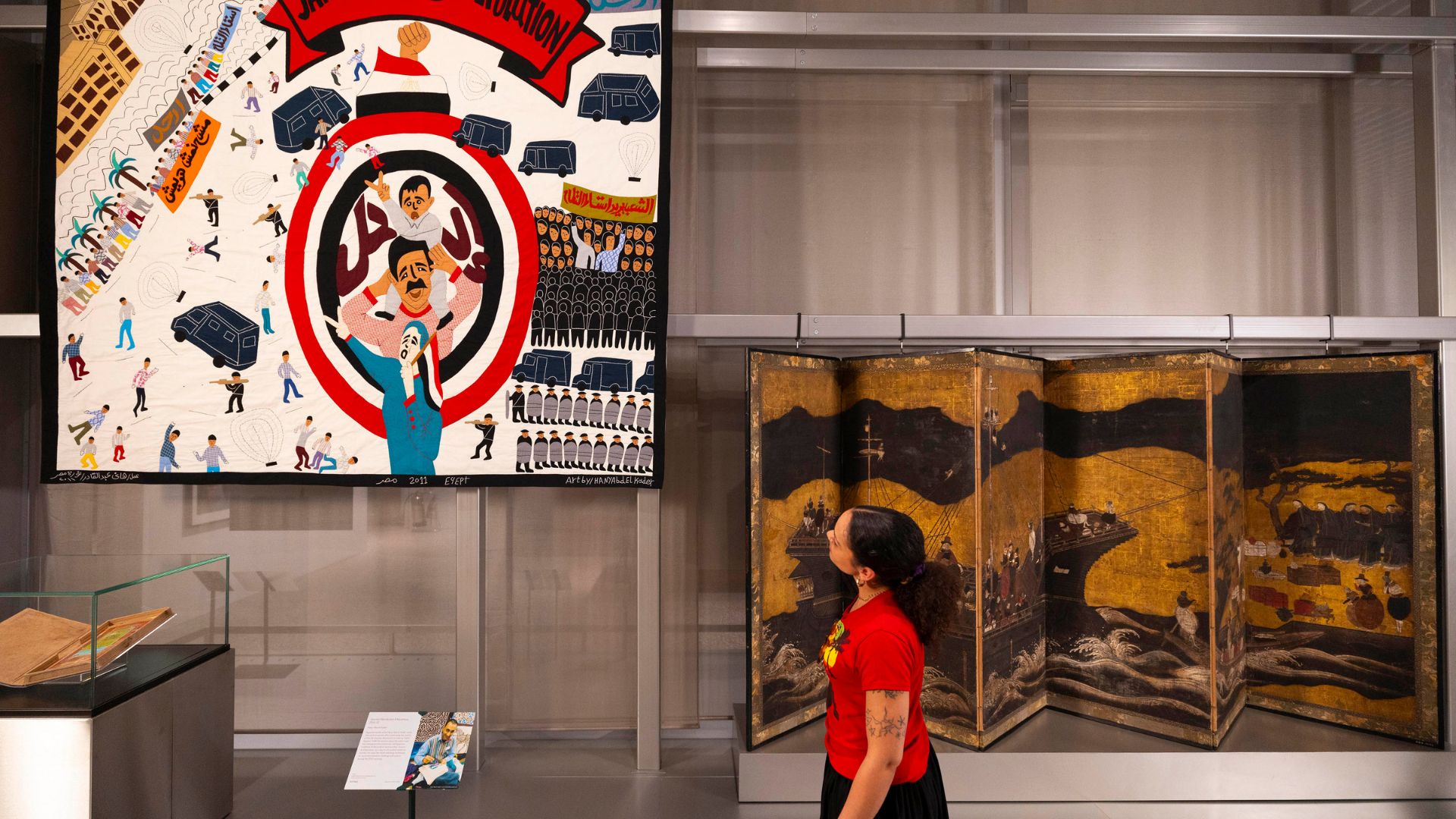
Upstairs, the mood shifts to activism and global storytelling. Expect climate focused works, an Egyptian textile secretly created during the 2011 uprising, and punchy posters from community print collectives like See Red Women’s Workshop.
The Music is Black: A British Story – powerful, immersive and long overdue
Before you enter the museum, Thomas J Price’s towering 18 foot sculpture A Place Beyond sets the tone for V&A East’s first major changing exhibition: The Music is Black: A British Story. It’s the largest show ever dedicated to the impact of Black British music – 125 years of sound, culture and influence, told through an immersive headphone led journey.
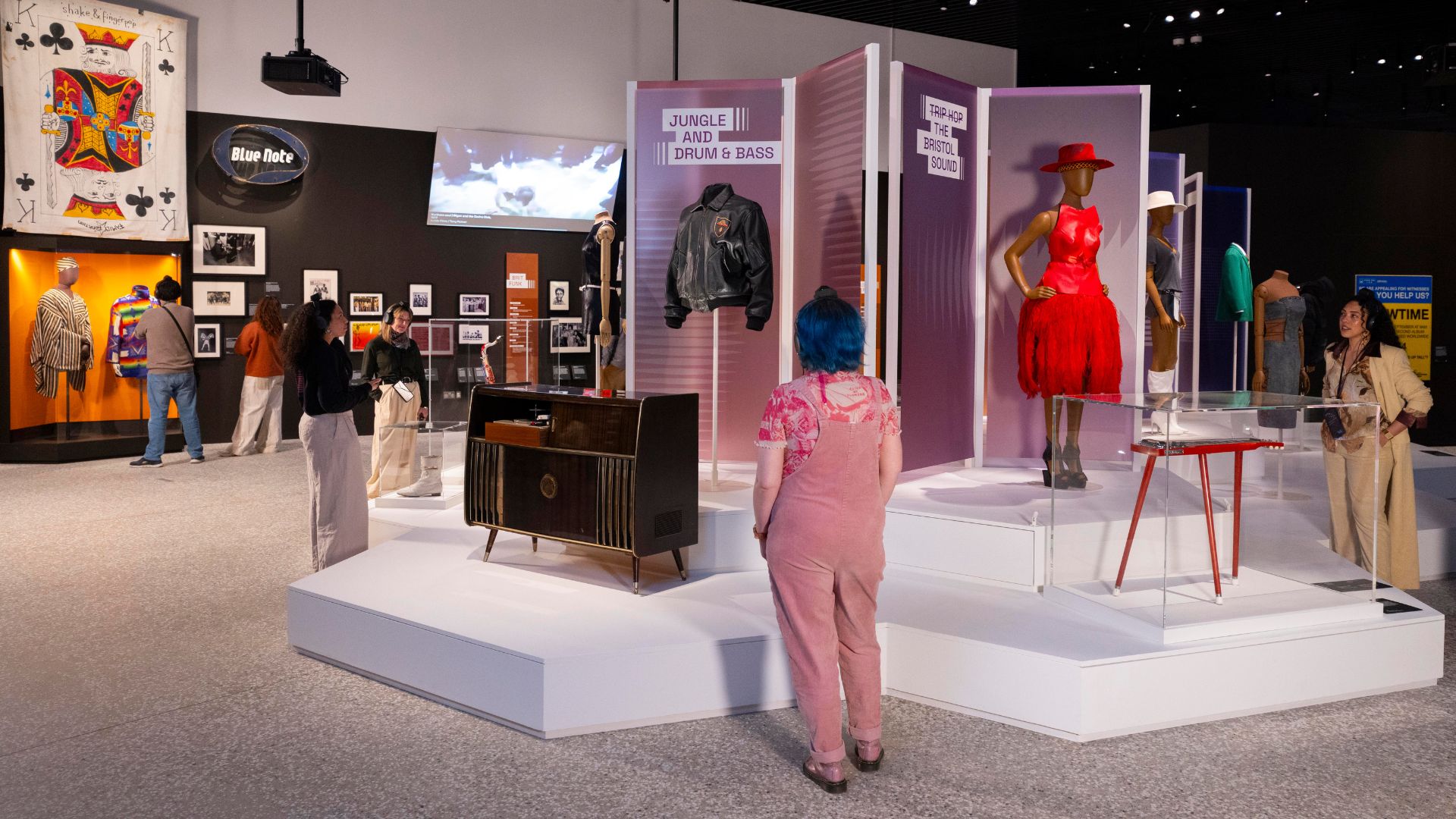
This exhibition gives Black British music the expansive platform it deserves, weaving together stories of creativity, struggle, joy and global impact. Zofia describes it as “an immersive sound experience with incredible objects as well,” rooted deeply in east London’s own musical history.
With more than 200 objects, the show charts eight genre shaping movements: 2 tone, lovers rock, Brit funk, jungle, drum & bass, trip hop, UK garage and grime.
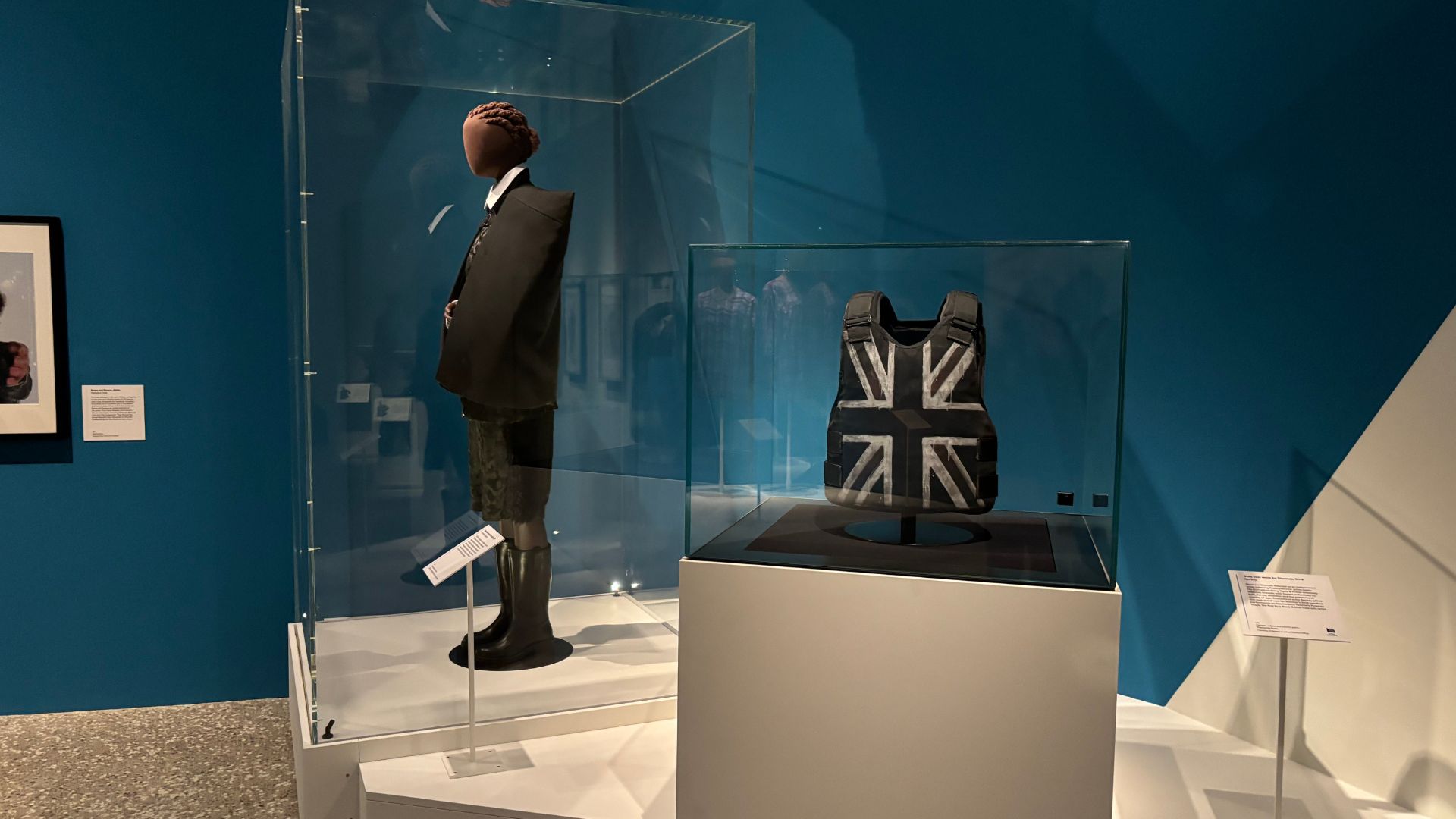
Expect icons at every turn, including Winifred Atwell’s piano, Stormzy’s Banksy designed Glastonbury vest, Joan Armatrading’s childhood guitar, Jme’s Super Nintendo, and fashion worn by Little Simz, Sade, Seal and Skin.
New Work commissions – rooted in place and alive with new voices
Positioned between floors and across both V&A East sites – the Museum and the Storehouse – New Work is V&A East’s rotating commissions programme, a twice-yearly showcase of artists, designers and community collaborators responding to a central theme.
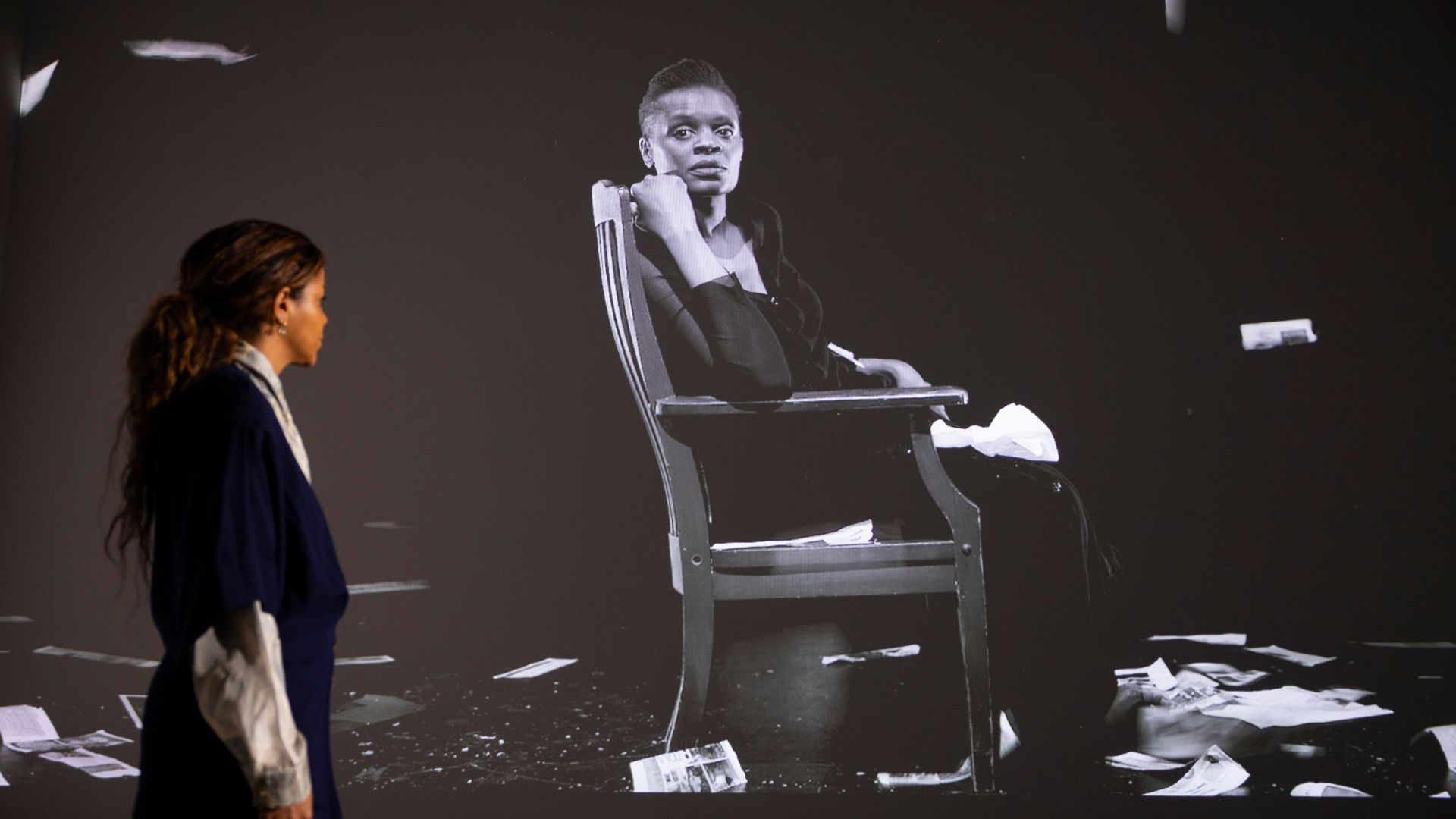
The first, Making East London, invites artists Tania Bruguera, Es Devlin, Lawrence Lek, Rene Matić, Carrie Mae Weems and more to explore the area’s layered histories and creative futures.
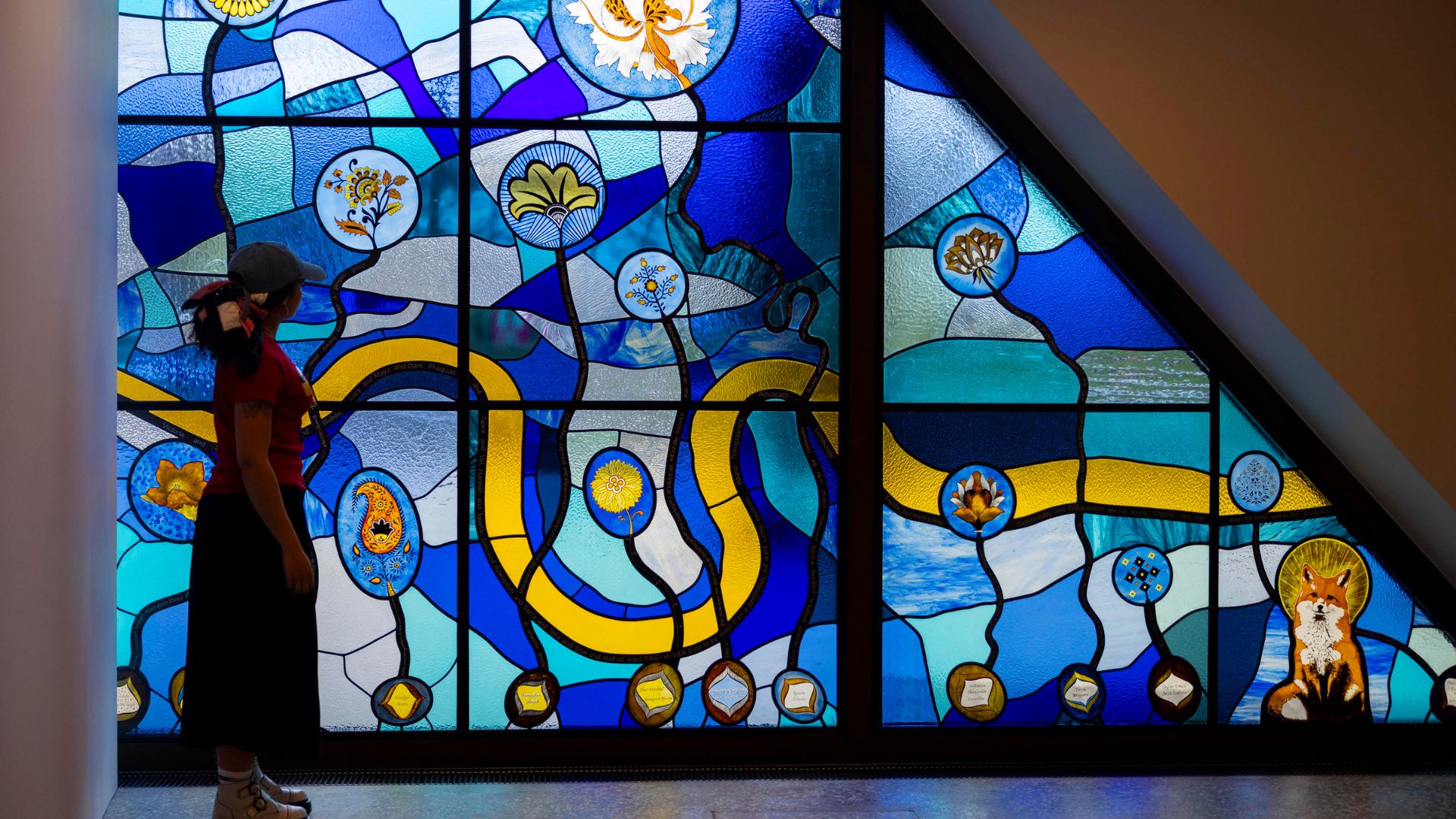
Their works consider East London as a site of global influence, recovery, cross‑cultural exchange and creative production, drawing on its people, materials and stories to offer fresh perspectives on the neighbourhood surrounding V&A East.
A standout is Bruguera’s Towards A Civic Museum, a stained glass collaboration with the Youth Collective that sets out the museum’s values – a bold, glowing statement of intent. Other highlights include Carrie Mae Weems’ The Long Goodbye, her first UK focused video work, and Rene Matić’s Heard, a sound system inspired installation celebrating Carnival culture and nightlife.
Zofia explains that future commissions will continue to root the museum in east London’s communities while bringing in global voices, major loans and immersive experiences.
Downstairs, you’ll find the Jikoni run café, a joyful blend of Asian, Middle Eastern and African flavours. Think Turmeric & Ginger Chicken Pie, Lamb Merguez Flatbreads and Yuzu & Pandan Strawberry Iced Buns.
Head up to the third-floor terrace, where commissions sit against expansive windows overlooking West Ham’s London Stadium and east London. From here, the museum’s connection to its surrounding communities becomes even clearer – a reminder that New Work is as much about place as it is about art.
What else is there to do nearby?
Visit the sister site, V&A Storehouse, where you can get up close to thousands of objects usually hidden in storage and even request to handle artefacts through the Order and Object service.
While you’re near the Olympic Park, explore Stratford’s restaurants, shopping spots and attractions. Or experience the groundbreaking concert spectacular ABBA Voyage.