


Everything you need to know about the Postal Museum Store tour:
📍Where: The Postal Museum Store, Loughton, IG10 3UF🚇Nearest station: 10-minute walk from Debden Underground Station (Central Line, Epping branch).
🚶Directions on foot: Exit the station, turn right and cross the bridge over the railway tracks. Go down the stairs, turn left and follow the path alongside the tracks. The Postal Museum Store is located beside the car park on your right.
📅 When: Tours run on selected dates throughout the year and usually sell out quickly. Advance booking is recommended.
🎟️ Price: Check the Postal Museum website for the latest ticket prices.
⏱️ Visit duration: 1 hour 30 minutes (1 hour guided tour followed by 30 minutes of free time).
👥 Who is this for?: Postal history enthusiasts, fans of vintage transport and anyone interested in London’s hidden heritage.
What is the Postal Museum Store?
There are not many things that will convince me to travel from one end of the Central Line to the other, but a chance to explore the Postal Museum Store in Debden is definitely one of them.
Entering the Postal Museum Store feels a bit like stepping into a time capsule. Hidden away in an industrial estate in Loughton, this vast archive houses some of the largest objects in the Postal Museum's collection. Anyone fascinated by London's transport history is in for a treat, with rare mobile post offices, wartime vehicles and even surviving prototypes that helped pave the way for Mail Rail.
While the Postal Museum in Farringdon has become one of London's most unusual museums, and perhaps one of the quirkiest attractions thanks to its underground Mail Rail ride, many visitors don't realise there is a second site. The Postal Museum Store is where thousands of historic Royal Mail artefacts are preserved, including items simply too large to display in the main museum.
What can you see on the behind the scene tour?
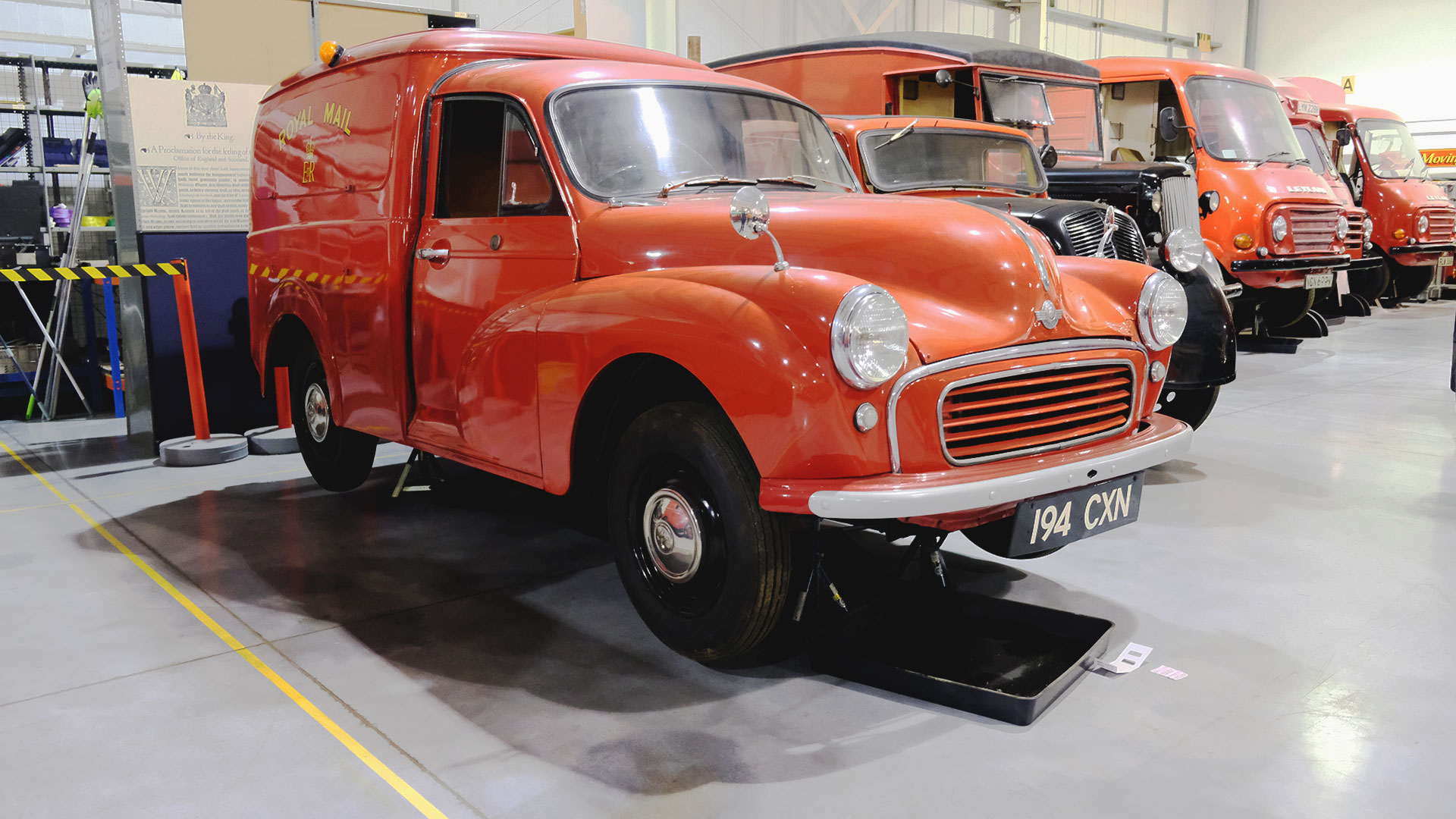
As soon as we enter, it becomes clear that this is not a traditional museum, but rather a working archive that has temporarily opened its doors to visitors.
The expert guides, real trove of knowledge, lead us around the collection, sharing stories behind some of the most significant objects in the archive. The guided portion lasts around an hour before visitors are given time to wander freely and take a closer look at the exhibits.
It quickly becomes obvious why many of these objects cannot be displayed at the main museum. Some are enormous, including horse-drawn postal carriages, a mobile post office, railway sorting carriages and vehicles designed to deliver mail to some of Britain's most remote places.
One of the best things about visiting the store is how close you can get to the exhibits. Unlike most museums, many items are not behind glass, giving the experience a genuine archive feel. Do note, however, that exhibits are generally not labelled, so you'll want to make the most of the guides and ask plenty of questions.
Top exhibits to look out for on the tour
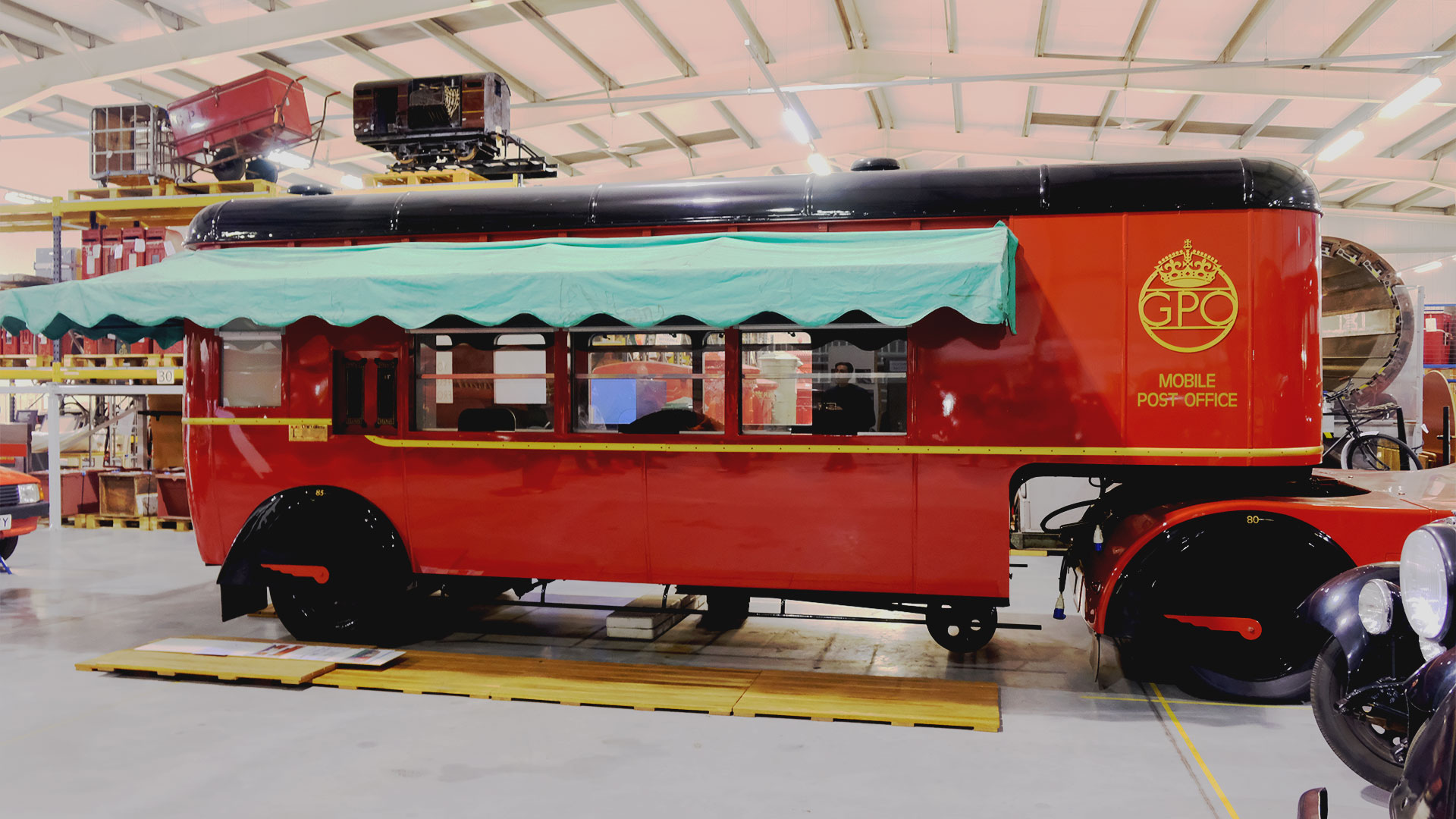
At first, the collection may seem somewhat scattered, but there is actually a clear logic to how everything is arranged. One of the largest sections focuses on the vehicles that kept Britain's postal service moving through the decades.
Our highlight of the behind the scenes tour include:
The mobile post office trailer
Perhaps the most impressive object in the collection, this fully operational travelling post office was used during and after the Second World War. When bomb damage disrupted local communications and postal services, these mobile units could be dispatched wherever they were needed, allowing people to send letters, access postal services and even make phone calls.
The Morris Z Van
Known as the workforce of World War II, the Morris Z Van carried out delivery, collection and transportation duties. We were surprise to see there’s only one seat inside the vehicle, the driver’s seat.
Royal Mail Land Rovers
Those were particularly useful in Scotland where remote locations and extreme weather often made deliveries difficult. Their off-road capabilities allowed Royal Mail to reach communities that would otherwise have been inaccessible.
TV detector van
The TV detector van is probably one of the store's most popular exhibits, recently made famous on TikTok. This vehicle was used from the 1950s to detect TV signals, as back then TV licenses were issued by the Post Office. Whether they detected television signals or simply spooked people to pay for their licences remains a mystery, but it’s believed the antennas on top of the van could detect electromagnetic TV signals.
Post Office railway carriages
This is where postal workers would sort out mail while travelling across the country at large speed. The carriages’ wooden frames still bear chalk markings showing the destinations that mail would have been sorted into. When visiting, a fun challenge is to try to guess where those locations were.
When trains carrying mail didn’t have time to stop, trackside nets could be used to collect or dispatch mailbags that had been placed on the side of the train. You can see examples of this system at the Postal Museum, where you can even try your hand at sorting mail inside a replica carriage. The two museums complement each other well, so we recommend pairing them together.
Pneumatic carriages, the ancestor of the Mail Rail
Long before the Mail Rail opened beneath London's streets, engineers experimented with pneumatic railways that used air pressure to move vehicles through underground tubes. The technology was first trialled at the Central Telegraph Office before expanding across parts of London. Although the concept showed promise, technical difficulties and high operating costs limited its success.
Several surviving components from these early experiments were later excavated and parts of the original carriages can now be seen at the Postal Museum Store, offering a fascinating glimpse into the first attempts into launching the Mail Rail.
Take a look at our Reel of the tour
The pillar boxes row: 150 years of postal history
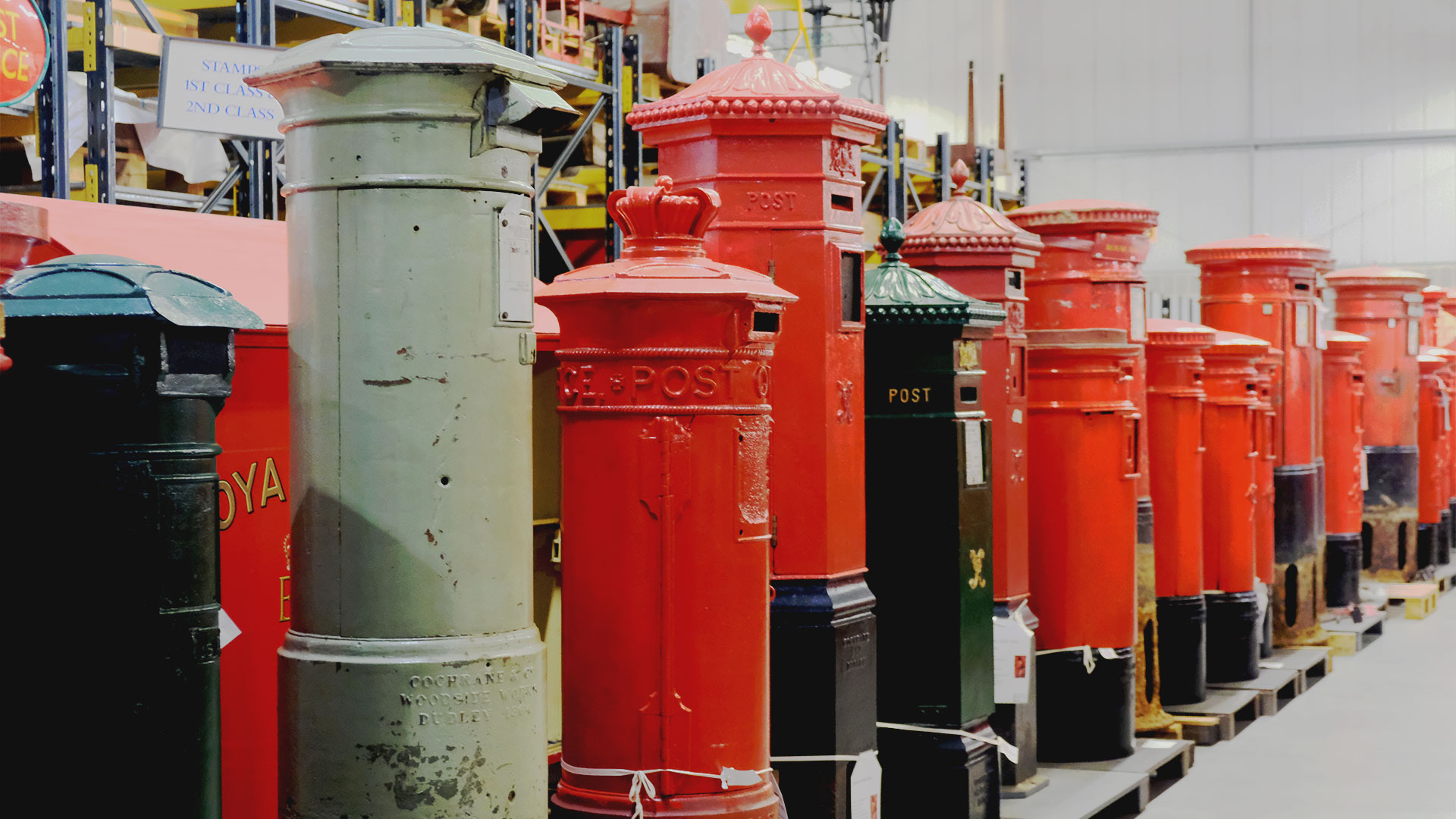
The most visually striking part of the collection has to be the famous avenue of pillar boxes. Lined up on both sides of a long aisle, these historic post boxes show the evolution of Britain's mail system, from early Victorian designs to the familiar red boxes we still use today.
Our guide revealed that the first pillar boxes were trialled in Jersey and Guernsey, where they proved popular. Later, the boxes were introduced nationwide, with designs varying greatly in the early years. While we are now used to their iconic red colour, the first designs were actually green. Funnily enough, people complained that they were having trouble finding the postal boxes, which ultimately led to the decision to switch to red boxes. This process took over ten years to complete!
As we walked down the avenue, we discovered boxes of every shape and size. Eventually designs became standardised into two principal models: Type A and Type B.
The ornate London pillar box
The first model we looked at was a London ornate green pillar box featuring an elaborate ornamental design, including golden lions. It was created as part of a competition and is definitely not the usual type of box you’d find in your street.
The Liverpool pillar box
Another memorable design is the Liverpool pillar box, instantly recognisable thanks to its crown-shaped top. These boxes were built significantly larger than most to accommodate the greater amount of post for Liverpool residents, as, unlike other parts of the country, it was permitted to post newspapers as well as letters. This resulted in much greater volumes of mail.
The Hong Kong pillar box
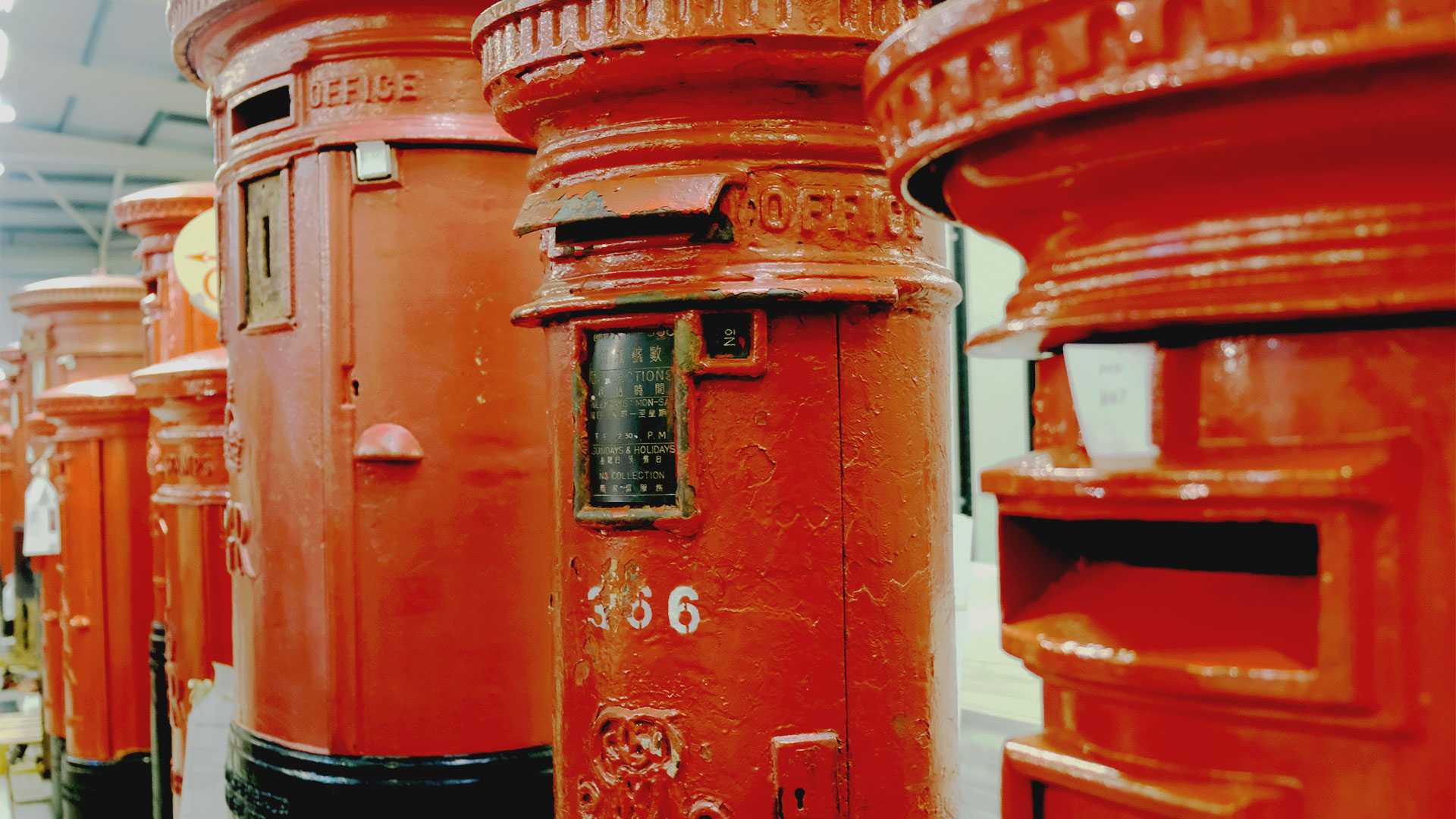
Another peculiar example is the Hong Kong pillar box, which was initially installed in British colonial Hong Kong. These cast-iron boxes feature bilingual English and Chinese inscriptions, and originally displayed royal cyphers, just like their British counterparts. Following the handover to China in 1997, many were repainted green.
How to recognise royal cyphers on post boxes
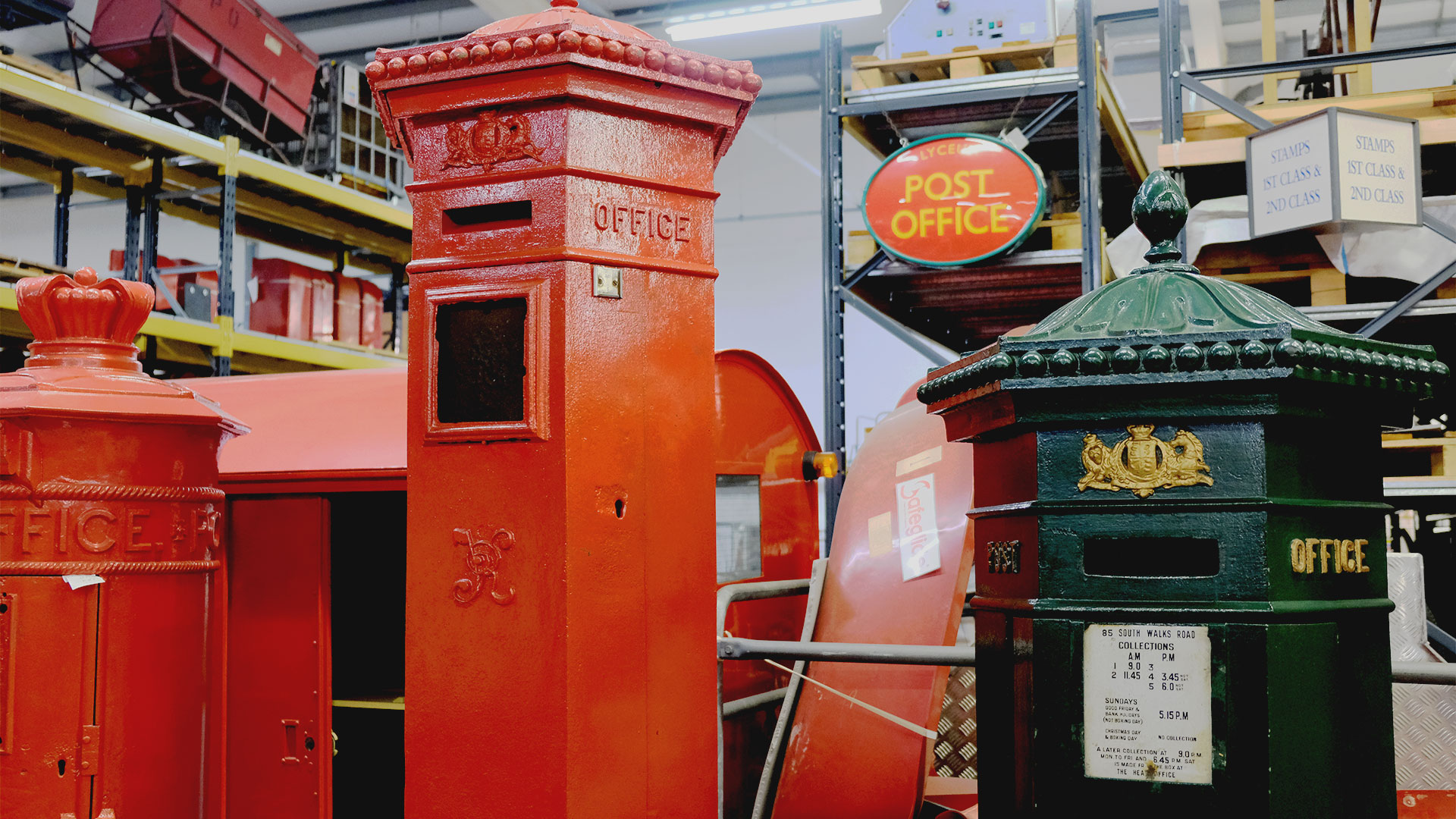
Once you've visited the Postal Museum Store, you'll never look at a post box the same way again.
Royal cyphers, prominent signature featuring on all letter boxes over the UK are essentially the reigning monarch monogram. Those combine their first name initial plus the R, which stands for Rex (King) or Regina (Queen). And if there’s a numeral, such as for King Charles III, the roman numbers feature between the letter and the R, making it interesting fun quest walking up your high street.
Here are some cyphers examples:
- VR: Victoria Regina for Queen Victoria
- ER II: Elizabeth Regina II for Queen Elizabeth II
- CR III: Charles Rex III for King Charles III
As it happens, the passing of a monarch does not necessarily mean that pillar boxes have to be removed. You can still spot boxes dating back to Queen Victoria’s era to this day.
Is the Postal Museum store worth a visit?
Absolutely! If, like us, you love discovering London's hidden gems and anything transport and communications related, you’re in for a treat. This is a rare opportunity to take a close look at some rare artefacts and vehicles, not to mention delving deep into the world of cyphers and post boxes. After the guided tour, visitors have time to explore independently, take photographs and chat with the curators and volunteers, who are more than happy to answer questions.
You'll need to be quick to secure your tickets when those are released as dates are limited and tend to sell out fast. If you miss out, the main Postal Museum in Farringdon remains an excellent alternative and is filled with plenty of historic exhibits from the Post Office's heyday.